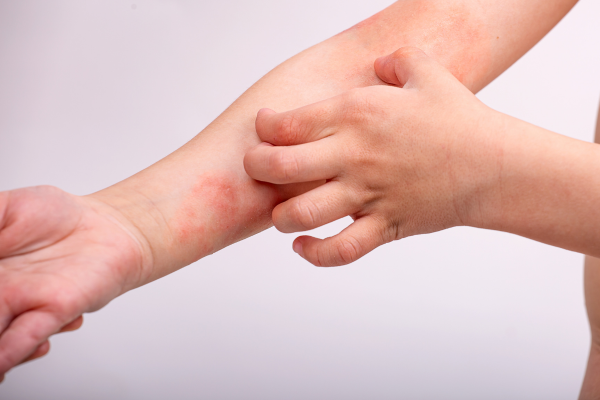
Chronic Eczema Treatment & Skin Allergy Care in Dhaka
I am Associate Professor Dr. A. K. M. Rezaul Haque, a dermatologist and venereologist in Dhaka. I specialize in the diagnosis and treatment of eczema (atopic dermatitis) and other chronic inflammatory skin diseases. With years of clinical experience, I provide personalized, evidence-based treatment plans designed to control flare-ups, reduce itching, and restore healthy skin.
Types of Eczema: Recognizing and Understanding Each Form
There are several types of eczema, and identifying the correct type is essential for proper treatment. In my clinical practice, I carefully evaluate the pattern, location, triggers, and duration of symptoms before confirming the diagnosis.
Here are the most common kinds of eczema:
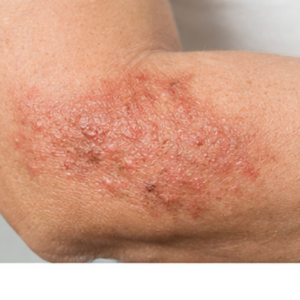
Atopic Dermatitis (Atopic Eczema)
It often begins in childhood and may be associated with asthma or allergic rhinitis.
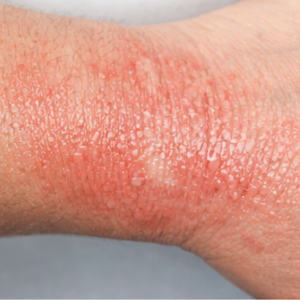
Contact Dermatitis
This occurs when the skin reacts to a specific substance. Irritant Contact Dermatitis & Allergic Contact Dermatitis
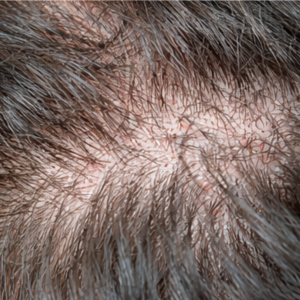
Seborrheic Dermatitis
This type mainly affects oily areas of the body such as the scalp, face, and chest. Common signs: Red skin with greasy scales, Dandruff, Itching
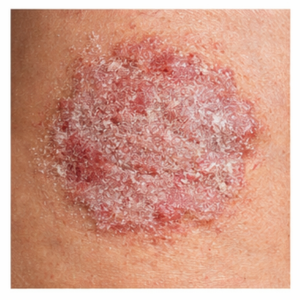
Nummular Eczema
Characterized by coin-shaped patches of irritated skin. Round or oval lesions often appear on arms and legs, may ooze or become crusted.
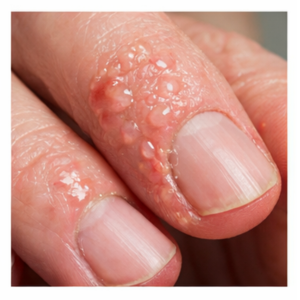
Dyshidrotic Eczema
This type affects the hands and feet. Small, itchy blisters, Burning sensation, Peeling after blisters dry.
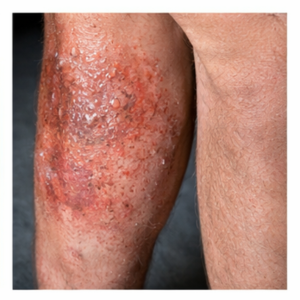
Stasis Dermatitis
Usually occurs in the lower legs due to poor circulation. Swelling, skin discoloration, itching and scaling.
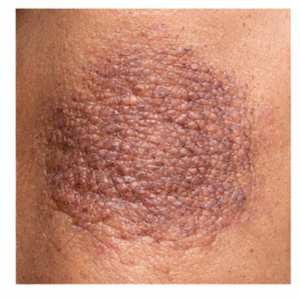
Neurodermatitis
Caused by repeated scratching or rubbing. Thickened skin, intense itching, well-defined patches.
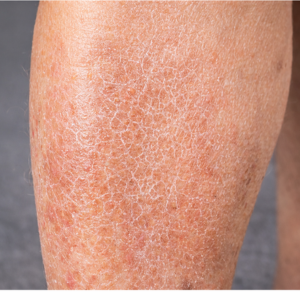
Asteatotic Eczema
Asteatotic eczema, also known as xerotic eczema, is commonly seen in older adults, especially during winter when the skin becomes extremely dry.
Why Proper Eczema Treatment is Important
Eczema is not just a minor skin irritation—it is a chronic inflammatory condition that requires proper medical attention. When left untreated or poorly managed, eczema can gradually worsen and lead to several complications.
Skin infections
Constant scratching can break the skin barrier, allowing bacteria to enter and cause infection. This may lead to pain, swelling, oozing, and delayed healing.
Sleep disturbance
Persistent itching, especially at night, can interfere with restful sleep, leading to fatigue and reduced daily performance.
Emotional stress
Visible rashes and chronic discomfort often affect self-confidence and may contribute to anxiety or social withdrawal.
Skin thickening
Long-term inflammation and repeated scratching can cause the skin to become thickened (lichenification) and darker or uneven in tone.
With proper dermatological care, eczema can be effectively controlled. Through accurate diagnosis, appropriate medication, and a structured skincare routine, flare-ups can be minimized, symptoms can be relieved, and the skin barrier can be restored. Early and consistent treatment is the key to maintaining healthy, comfortable skin.
Book a Consultation for Eczema Treatment in Dhaka
If you are suffering from eczema or chronic skin irritation, I am here to help. With expert dermatological evaluation and a structured treatment plan, I aim to provide safe, effective, and long-lasting relief.